Safety is the design constraint: not a department.
Every Mole·Master® cleanout starts from the same premise: nobody enters the silo. That single rule shapes our equipment, our procedures, our training, and our results.
Five ways we put safety first.
Every facet of our safety programme, from how we think to how we’re recognised, lives behind one of these doors.
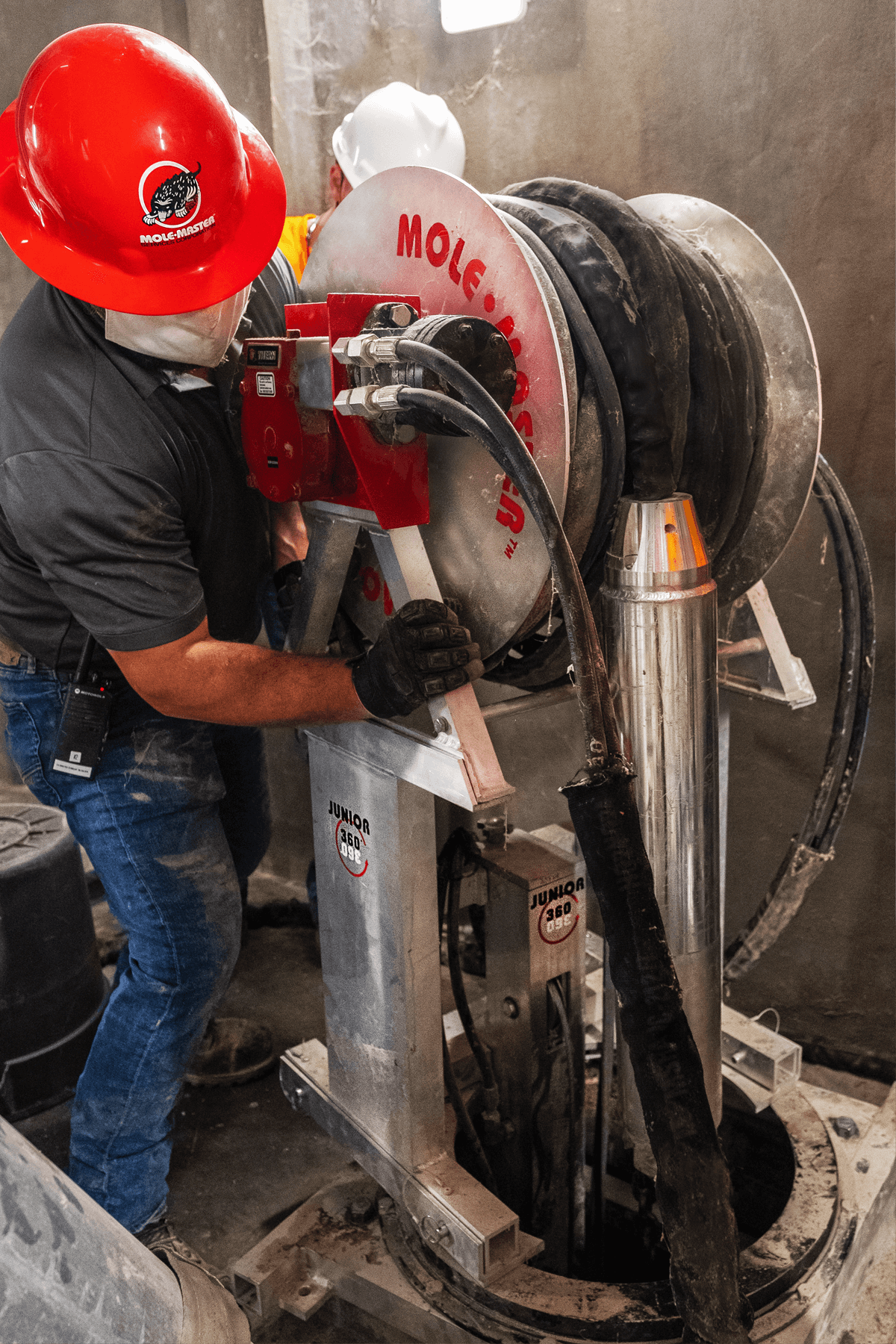
A Philosophy of Safety so Strong, it’s Woven into our Culture.
Safety is the driving force behind every solution we develop and every project we undertake, from training and PPE to remote-operated equipment that keeps people out of the silo.
Read Philosophy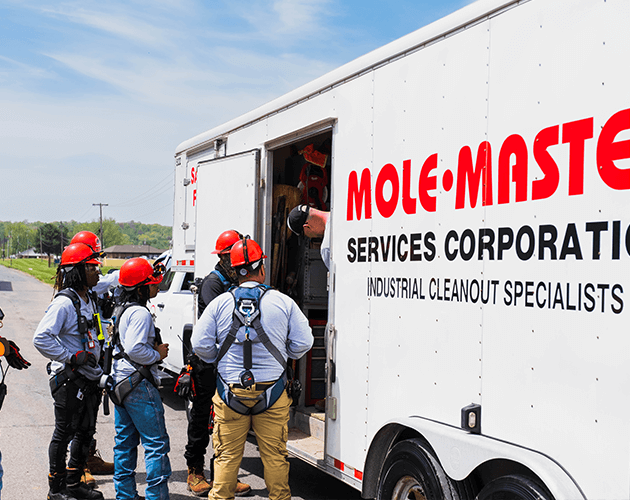
Safety FAQs: Silo Cleaning & Inspection
Answers to the most serious safety questions involved in any silo cleaning method, worker safety, lockout/tagout, PPE, training requirements, and more.
Read FAQs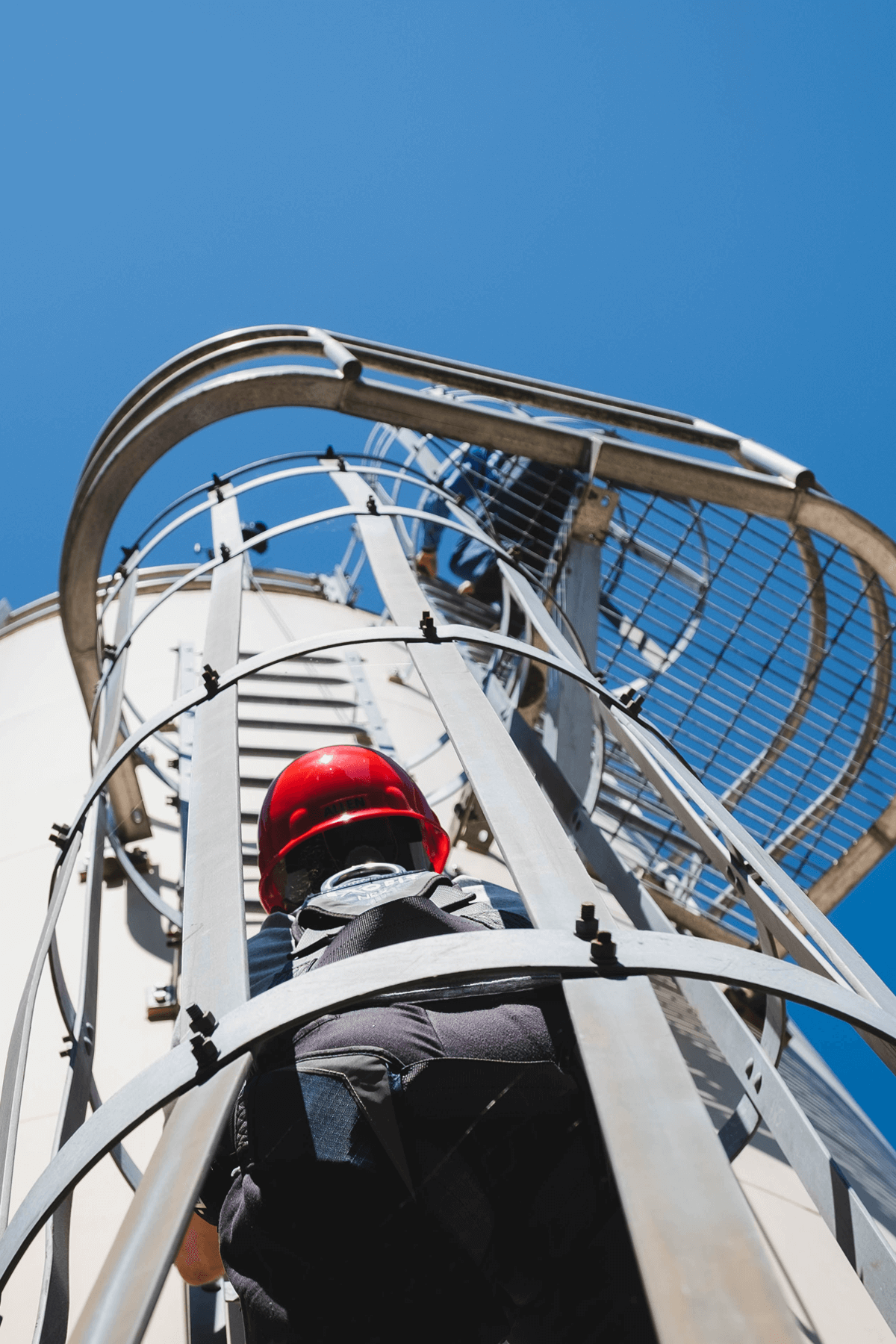
Safety Videos: Silo Cleaning & Inspection
Safety is Job 1 at Mole·Master®. Explore field footage and safety procedure demonstrations to see our approach in action.
Watch Videos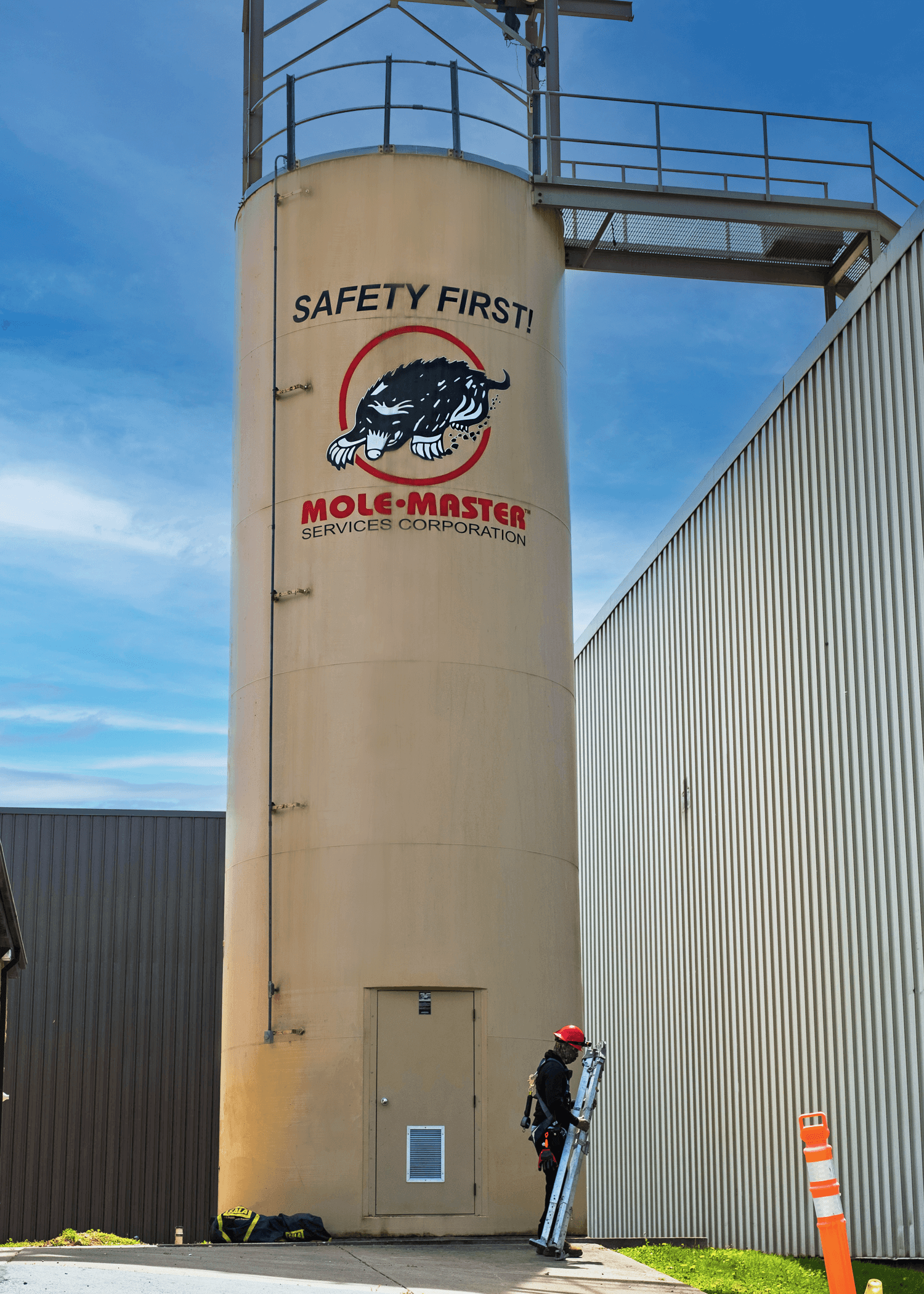
Safety Awards & Industry Associations
Recipient of the Mid-Ohio Valley Safety Council 100% Safety Award. Proud members of ISNetworld, Browz, Appruv, First Verify, and more.
See Recognition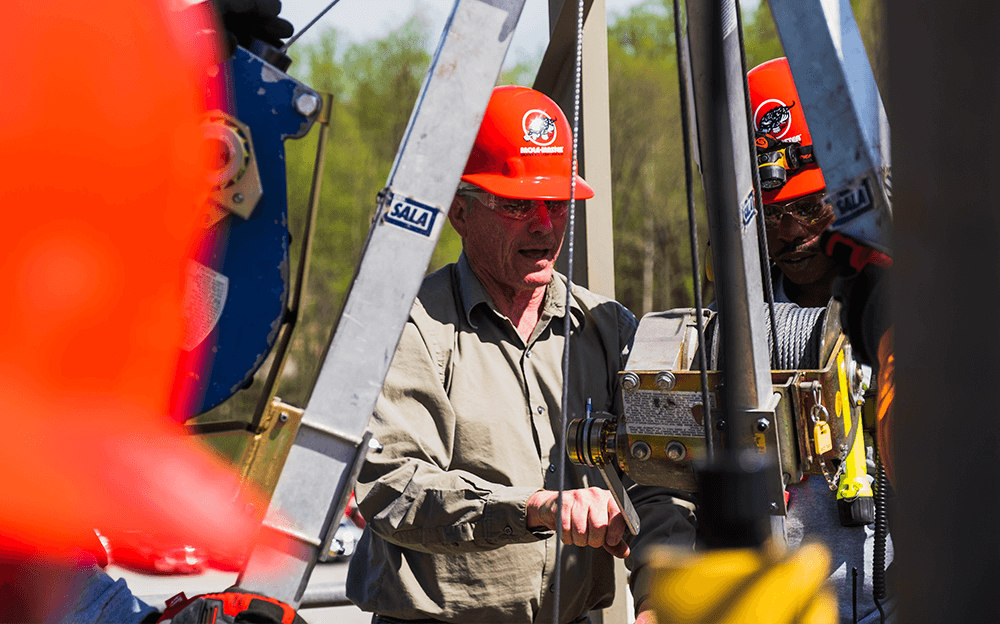
Safety Training for the Silo Cleaning Experts
MSHA 5000-23, OSHA, ATF, DOT, Confined Space Entry, and 20+ additional programs, every technician trained and re-credentialed annually.
View Training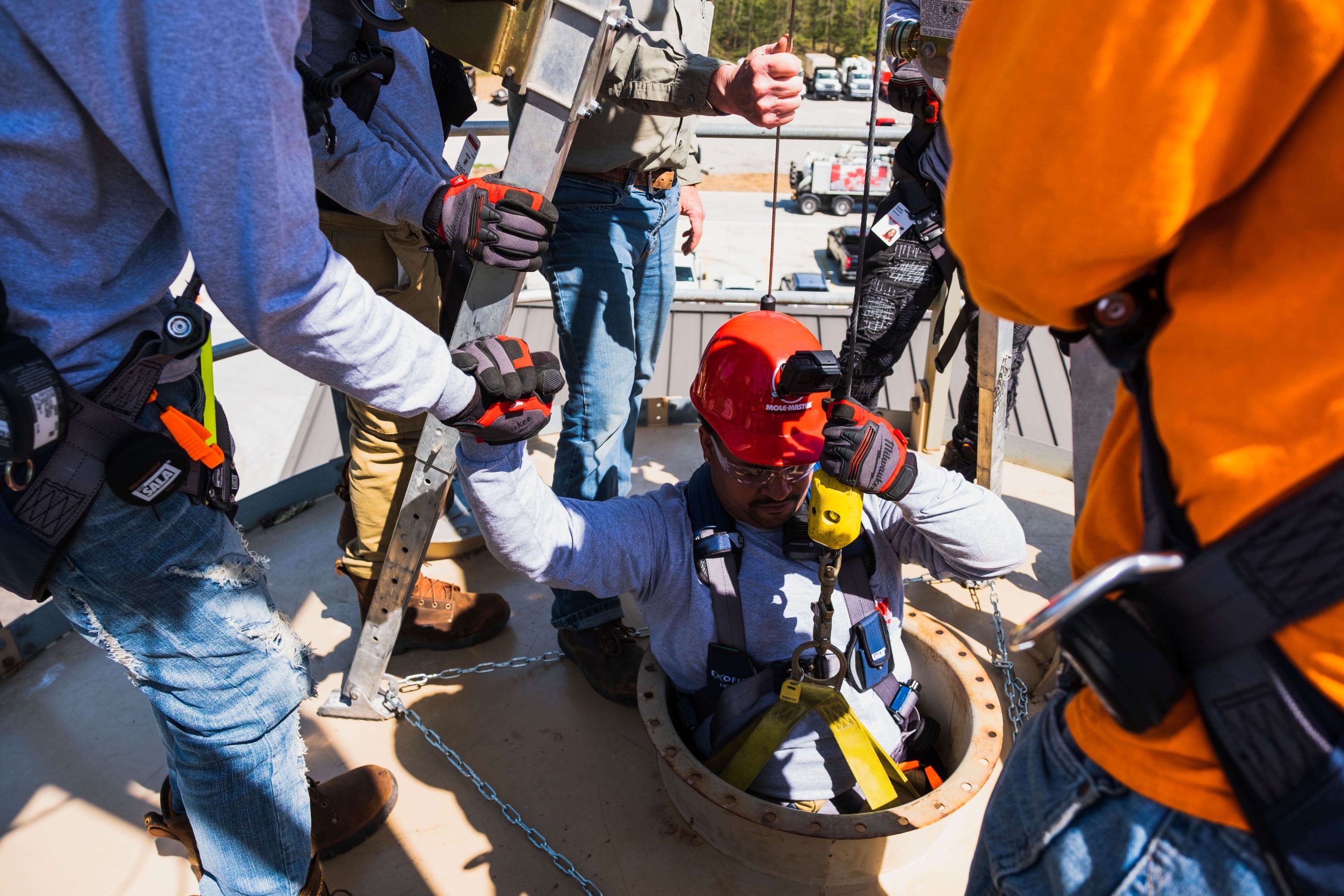
One metric. Forty years of evidence.
The reason no-entry cleanouts are safer is mathematical, not philosophical. If nobody is inside the structure, nobody can be engulfed, nobody can fall from height, and nobody can be exposed to oxygen-deficient atmosphere.
- Operator stays outside the silo at all times
- Cleans bridged, rat-holed, or hard-packed material from the discharge point
- Used on cement, fly ash, grain, glass cullet, soda ash, alumina, sugar, salt
- Training includes live operation on the 36-foot bulk-storage silo at Mole·Master®’s Marietta, Ohio headquarters
We’ll tell you straight if we’re the right fit.
Five-minute call. No pitch. We listen, we ask the technical questions, and we tell you whether no-entry cleaning is the answer for your structure and material.